
EFFECT OF CORTISONE ACETATE ON RENAL WATER EXCRETION FUNCTION IN NEPHROPATHY
Введение
Глюкокортикоиды представляют собой класс стероидных гормонов, секретируемых пучковой зоной коры надпочечников. Универсальность их биологического действия предопределяется повсеместным распространением соответствующих внутриклеточных рецепторов: ядерный глюкокортикоидный рецептор, кодируемый геном NR3C1 (5-я хромосома) и представленный тремя изоформами, экспрессируется практически во всех типах клеток человека и большинства млекопитающих [1]. Само наименование этой группы соединений отражает ключевые характеристики её представителей, а это участие в регуляции углеводного обмена, надпочечниковое происхождение и стероидную (холестерин-производную) химическую природу.
В системе иммунной регуляции глюкокортикоиды выступают негативными модуляторами воспалительного ответа, встраиваясь в петлю обратной связи и ограничивая избыточную активацию иммунокомпетентных клеток [2]. Именно поэтому данный класс соединений занимает центральное место в терапии патологических состояний с иммунновоспалительным патогенезом, а именно различных аллергических реакций, бронхиальной астмы, аутоиммунных заболеваний и септических состояний. Вместе с тем широкий спектр фармакологической активности глюкокортикоидов сопряжён с развитием разнообразных нежелательных лекарственных реакций [3]. Отдельного внимания заслуживает их применение в онкологии: подавляя пролиферацию лимфоцитов и вмешиваясь в аномальные сигнальные пути опухолевых клеток, они применяются как в высоких дозах при гемобластозах, так и в качестве адъювантной терапии для митигации токсических эффектов цитостатиков [4].
Молекулярный механизм действия глюкокортикоидов реализуется через двунаправленную транскрипционную регуляцию: сформировавшийся лиганд-рецепторный комплекс транслоцируется в ядро, где одновременно активирует экспрессию противовоспалительных генов и подавляет транскрипцию провоспалительных медиаторов в цитозоле [5].
Эндогенным глюкокортикоидом человека является кортизол (гидрокортизон), тогда как у крыс биологически доминирующую роль выполняет кортикостерон: синтез кортизола у этого вида незначителен, а его тканевая активность минимальна [6]. Кортизол обеспечивает поддержание кардиоваскулярного, метаболического, иммунного и осмотического гомеостаза; его концентрация закономерно возрастает при стрессовых воздействиях, что делает его ведущим биомаркером стресс-реакции [7; 8]. Синтетические глюкокортикоиды нашли широкое применение в клинической практике как в качестве заместительной терапии при надпочечниковой недостаточности, так и для иммуносупрессии при широком круге патологических состояний [9].
Цель исследования. Изучение влияния экзогенного глюкокортикоида на экскреторную функцию почек в условиях токсического нефрита, а также расшифровка патофизиологических механизмов, лежащих в основе выявленных сдвигов.
Материалы и методы исследования
Экспериментальная работа выполнена на 48 крысах-самцах линии Вистар со средней массой тела 205,8±6,4 г (диапазон 180–220 г). Использование животных исключительно мужского пола было продиктовано необходимостью устранить возможное искажающее влияние циклически меняющегося профиля половых гормонов на исследуемые показатели. Поскольку кортикостерон – основной эндогенный глюкокортикоид крыс, а он практически недоступен в стандартизированной экспериментальной форме, в качестве тест-вещества применяли кортизона ацетат («Акрихин», Россия). Правомерность такого подхода подтверждается в научной литературе, включая работы, в которых авторы прибегали к внутримышечному введению суспензии гидрокортизона ацетата в сопоставимых и более высоких дозах на протяжении от нескольких суток до трёх месяцев [10; 11].
Предпочтение пероральному пути введения перед внутримышечным было обусловлено двумя соображениями: во-первых, исключением риска локального воспаления при длительных инъекциях; во-вторых, соответствием клинической практике, в которой системные глюкокортикоиды назначаются преимущественно в таблетированной форме. Расчётную дозу препарата в 1,50 мг/100 г массы тела получали, растворяя три таблетки по 25,0 мг в 25,0 мл водопроводной воды, и из приготовленной суспензии отбирали 0,5 мл на каждые 100 г массы тела животного и вводили через зонд в желудок. Идентичный объём водопроводной воды вводился контрольным животным для нивелирования фактора водной нагрузки. Вводимый объём не превышал физиологического суточного потребления жидкости крысами (10-12 мл/100 г/сут.), что исключало гемодинамическую перегрузку. Поскольку пиковая концентрация кортизона ацетата в крови достигается через 30-90 минут после приёма, шестичасовой период сбора мочи в метаболических клетках был достаточен для регистрации функционального ответа почек.
Хроническую нефропатию воспроизводили трёхкратным внутримышечным введением глицерина (С₃Н₅(ОН)₃ – простейший трёхатомный спирт) в дозе 0,8 мл/100 г. Инъекции осуществляли в начале месяца, через две недели и ещё через две недели, причём перед каждой из них животные выдерживались на пищевой депривации в течение 10-12 часов. Трёхкратная схема была выбрана с целью формирования хронического, а не острого поражения почек [12].
В собранной моче спектрофотометрически (UNICO 2000, США) определяли концентрацию эндогенного креатинина (наборы «Ольвекс», Россия; результат в мкмоль/л, использовался для расчёта скорости клубочковой фильтрации в мл/ч/100 г) и общего белка (наборы «Агат», Россия; степень протеинурии в мг/мл). После завершения периода уринации 12 животным из каждой группы под общей анестезией (золетил, Франция, 0,1 мл/100 г внутрибрюшинно) инвазивно регистрировали объёмную скорость почечного кровотока с помощью ультразвукового флоуметра (Transonic HT 313, США). Затем из сердца аспирировали кровь для определения в плазме сывороточного креатинина и общего белка – маркеров, включённых в протокол в связи с тем, что нарушение белкового метаболизма является одним из облигатных проявлений нефропатии. Извлечённые почки расслаивали на кортикальное вещество, медуллярное вещество и почечный сосочек, и в гомогенатах каждого слоя спектрофотометрически (Apel 303, Япония) определяли мочевину (мкмоль/кг влажной ткани) по реакции с диацетилмонооксимом в кислой среде [13] и методом пламенной фотометрии (ПАЖ 378, Россия) – натрий (мкмоль/кг сухой ткани). Суммарный осмотический вклад этих двух веществ определяет градиент, обеспечивающий реабсорбцию воды в собирательных трубочках.
Полученные результаты статистически обрабатывались (программа «GraphPad Prizm 6.03»), применяли параметрический метод сравнения средних величин (M±m) контрольных и опытных данных, с учётом нормальности их распределения (Шапиро - Уилка), степень достоверности отличия оценивали по t-критерию Стьюдента, р<0,05. Работа с животными проводилась в соответствии с приказом Минздравсоцразвития России № 708н от 23.08.2010 и одобрена этическим комитетом академии (протокол № 12.11 от 21.09.2022).
Результаты исследования и их обсуждение
Однократное введение кортизона ацетат интактным животным. Пероральное введение кортизона ацетата в дозе 1,50 мг/100 г вызвало достоверное возрастание спонтанного шестичасового диуреза на 37,5% относительно контрольных значений (0,24±0,013 мл/ч/100 г; p<0,01) (рис. 1). Механистически этот эффект определялся двумя взаимно усиливающими друг друга процессами. Во-первых, ускорением клубочковой фильтрации (от базального уровня 16,28±1,18 мл/ч/100 г), опосредованным возрастанием объёмной скорости почечного кровотока на 31,3% относительно контроля (5,54±0,24 мл/мин/100 г). Во-вторых, ослаблением канальцевой реабсорбции воды (базовое значение 98,58±0,09%) (рис. 1) вследствие снижения осмотического давления в паренхиме почек, создаваемого мочевиной и натрием. Содержание мочевины в корковом и мозговом веществе, а также натрия в мозговом веществе и почечном сосочке достоверно уменьшилось, что суммарно привело к падению осмотического давления, обусловленному мочевиной на 28,4% и натрием – на 21,6% (при принятии индивидуальных исходных значений за 100,0%). Показатели сывороточного креатинина и общего белка плазмы после однократного введения препарата остались в пределах нормы (рис. 2).
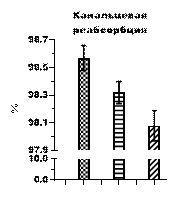
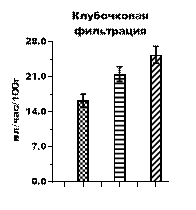
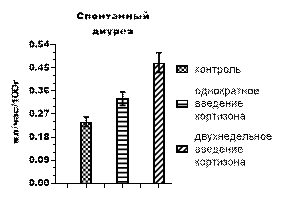
Рис. 1. Диурез и основные процессы мочеобразования после однократного и двухнедельного введения кортизона ацетата. Примечание: составлено авторами по результатам данного исследования
Двухнедельное введение. Курсовой приём кортизона ацетата обеспечил существенно более выраженный прирост диуреза – на 95,8% (почти двукратное увеличение), что также было детерминировано ускорением клубочковой фильтрации (на 53,8% против 32,3% при однократном введении) и более значительным снижением канальцевой реабсорбции воды (рис. 1). По всей видимости, пролонгированная экспозиция гормона ведёт к его кумуляции в организме с последующим антагонизмом относительно антидиуретического гормона: подавляется синтез аквапорина-2 и его встраивание в базолатеральную мембрану собирательных трубочек, а также снижается экспрессия натрий-зависимых транспортёров, и ослабляет чувствительность рецепторов к антидиуретическому гормону, что в совокупности усиливает осмотический диурез [14; 15]. Несмотря на меньшую выраженность снижения осмотического давления при курсовом введении по сравнению с однократным (в этом случае на мочевину приходилось 17,25%, а на натрий − 15,4%). Большее снижение реабсорбции воды свидетельствует о дополнительном рецептор-зависимом механизме, не связанном исключительно с осмотическим градиентом. Ускорение почечного кровотока при этом составило 51,6% от контроля. Параллельно регистрировались повышение концентрации креатинина в крови, нарастание протеинурии и снижение уровня общего белка в плазме крови (рис. 2).
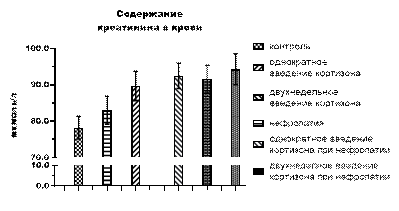
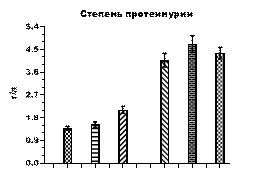
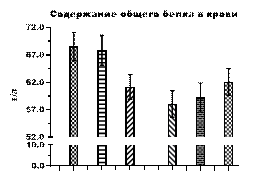
Рис. 2. Содержание креатинина, общего белка и степень протеинурии при нефропатии после однократного и двухнедельного введения кортизона ацетата.
Примечание: составлено авторами по результатам данного исследования
Введение кортизона ацетата при нефропатии
Ранее авторами была показана стойкость как морфологических, так и функциональных нарушений в почках, сохраняющихся не менее двух месяцев после завершения трёхкратной нефротоксической нагрузки [12]. С учётом этого оценку эффекта однократного введения кортизона ацетата проводили на исходе второго месяца от начала моделирования нефропатии, а двухнедельного курса – плюс еще 2 недели с конца второго месяца на введения глюкокортикоида, поэтому опыты ставили в 2,5 месяца.
Нефропатия сама по себе вызвала прирост диуреза на 70,8% (p<0,001), обусловленный исключительно ослаблением канальцевой реабсорбции воды, тогда как клубочковая фильтрация практически не изменялась (рис. 3). Скорость почечного кровотока при нефропатии составила 5,23±0,27 мл/мин./100 г – значение, не отличавшееся от контрольного, что согласуется с неизменностью скорости фильтрации. Нефропатия также сопровождалась выраженной гиперкреатининемией, гипопротеинемией и выраженным нарастанием протеинурии (превышение нормы в 3,65 раза) (рис. 2).
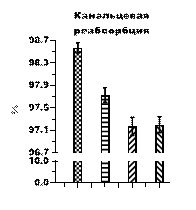
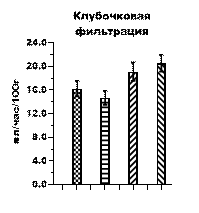
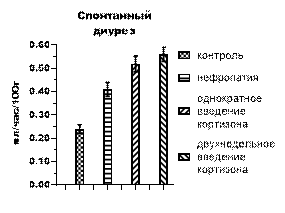
Рис. 3. Диурез и основные процессы мочеобразования при нефропатии после однократного и двухнедельного введения кортизона ацетата. Примечание: составлено авторами по результатам данного исследования
На фоне нефропатии введение кортизона ацетата, как однократное, так и двухнедельное, вызвало сопоставимое усиление диуреза в 2,16 и 2,33 раза относительно интактного контроля соответственно, а по сравнению с изолированной нефропатией на 25,8% и 36,6%. Ведущим механизмом этих изменений оставалось снижение канальцевой реабсорбции воды, так как ускорение клубочковой фильтрации имело место, однако было умеренным (рис. 3). Объёмная скорость почечного кровотока на фоне введения кортизона возросла по сравнению с нефропатией, хотя и в меньшей степени, чем у здоровых крыс (на 21,3% и 24,4% соответственно, p<0,05). При этом содержание мочевины и натрия в слоях почечной ткани снизилось относительно контроля, хотя менее выраженно, чем у интактных животных. Примечательно, что отсутствие дозо-временного разграничения между эффектами однократного и курсового введения препарата при нефропатии, в отличие от картины у здоровых крыс, указывает на то, что именно токсическое повреждение нефрона, а не продолжительность гормональной экспозиции является основным детерминантом сниженной чувствительности V2-рецепторов к антидиуретическому гормону.
Концентрация сывороточного креатинина при нефропатии оставалась повышенной вне зависимости от режима введения кортизона ацетата. Протеинурия, исходно в 3,65 раза превышавшая норму, сохранялась на высоком уровне независимо от продолжительности введения глюкокортикоида (рис. 2).
Выводы
1. Пероральное введение кортизона ацетата в дозе 1,50 мг/100 г массы тела интактным крысам-самцам линии Вистар, как однократное, так и на протяжении 14 суток, вызывало отчётливый диуретический эффект, обусловленный ускорением клубочковой фильтрации и угнетением канальцевой реабсорбции воды. Прирост фильтрации определялся усилением почечного кровотока, тогда как снижение реабсорбции – падением осмотического давления в интерстиции, создаваемого мочевиной и натрием. Биохимические показатели крови при однократном введении оставались без изменений, а двухнедельный курс сопровождался гиперкреатининемией, нарастанием протеинурии и гипопротеинемией.
2. В условиях хронической экспериментальной нефропатии, воспроизведённой трёхкратным внутримышечным введением глицерина (0,8 мл/100 г), исходно характеризующейся полиурией вследствие снижения канальцевой реабсорбции и осмотического давления почечного интерстиция, кортизона ацетат, вне зависимости от режима введения, дополнительно усиливал диурез за счёт ускорения гломерулярной фильтрации и дальнейшего подавления канальцевой реабсорбции. Нивелирование дозо-временного градиента эффекта при нефропатии свидетельствует о доминировании токсической десенситизации рецепторного аппарата дистальных канальцев и собирательных трубочек почек над гормонально зависимой регуляцией почечной экскреции воды.
Conflict of Interest
Funding
Bibliographic Reference
URL: https://science-education.ru/en/article/view?id=34610 (accessed: 05/09/2026).
DOI: https://doi.org/10.17513/spno.34610